
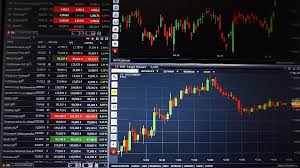
Mastering Forex Paper Trading: A Comprehensive Guide
If you’re intrigued by the world of forex trading but hesitant to risk your capital, forex paper trading offers a fantastic way to learn the ropes of the financial markets. Paper trading allows you to practice trading strategies in a simulated environment without real money at stake. Whether you’re a beginner or an experienced trader looking to refine your skills, forex paper trading Best UAE Brokers can provide you with the right tools to succeed.
What is Forex Paper Trading?
Forex paper trading, also known as simulated trading or demo trading, involves practicing trading on the foreign exchange market using a virtual account instead of real money. This approach enables traders to gain hands-on experience with market dynamics, improve their trading skills, and test various strategies without the financial risk associated with real trades.
Benefits of Forex Paper Trading
1. No Financial Risk: The most significant advantage of forex paper trading is the absence of real monetary risk. Traders can experiment with different strategies without the fear of losing actual funds.
2. Skill Development: Paper trading helps in developing key trading skills. New traders can familiarize themselves with trading platforms, learn to read charts, and execute trades while honing their decision-making abilities.
3. Strategy Testing: Experienced traders can utilize paper trading to test new strategies. This safe environment allows for adjustments and fine-tuning before applying methods in live markets.
4. Monitoring Emotions: Trading can be an emotional experience, often leading to impulsive decisions. Paper trading allows one to observe emotional reactions to market movements without the influence of real money.
How to Get Started with Forex Paper Trading
Starting with forex paper trading is relatively straightforward. Here’s a step-by-step guide to help you begin:
1. Choose a Reliable Forex Broker

The first step is to select a reputable forex broker that offers paper trading accounts. Many brokers provide free demo accounts with virtual currencies for traders to practice. Look for brokers with a user-friendly interface and robust educational resources.
2. Open a Demo Account
Once you’ve chosen a broker, you need to open a demo account. This process typically requires filling out a registration form and verifying your identity. Upon successful registration, you will receive a virtual balance to practice with.
3. Familiarize Yourself with the Trading Platform
Most brokers provide trading platforms, such as MetaTrader 4 or 5, that support paper trading. Spend time learning about the platform’s features, including how to place trades, set stop-loss orders, and use technical analysis tools.
4. Develop a Trading Plan
A robust trading plan outlines your trading goals, risk tolerance, and strategies for entering and exiting trades. When trading on paper, stick to your plan to develop disciplined trading habits.
5. Start Trade Simulation
Begin trading! Make sure to keep track of your wins and losses. Analyzing your trades will provide insights into your decision-making process and areas you can improve upon.
6. Review and Adjust
Regularly review your trading performance. Assess the effectiveness of your strategies, refine your trading plan, and adjust your goals as you gain experience.
Best Practices for Successful Paper Trading

While paper trading may seem simple, there are best practices to follow to make the most of your experience:
1. Treat it Like Real Trading
Even though you’re not risking actual money, treat your paper trading seriously. Adopting a professional mindset will help you develop the discipline needed for real trading.
2. Keep Emotions in Check
Paper trading allows you to observe your emotional responses to market fluctuations. Be aware of how you feel and aim to act rationally, regardless of your virtual profits or losses.
3. Focus on Learning
Use this opportunity to learn rather than just chase profits. Explore various strategies, market indicators, and trading styles to expand your knowledge base.
4. Set Realistic Goals
Establish achievable trading goals based on your skill level. Whether you aim to master a specific strategy or increase your demo account balance by a certain percentage, having clear objectives will guide your progress.
5. Regularly Transition to Live Trading
Once you feel confident in your abilities and strategies, consider moving to live trading. Start with a small investment to minimize risks while still retaining real-life trading emotions.
Conclusion
Forex paper trading is a valuable tool for anyone looking to enter the world of forex. By providing a risk-free environment to practice, it allows traders to develop skills, test strategies, and prepare for live trading effectively. Remember to choose the right broker, treat your paper trading seriously, and embrace the learning process. With diligence and dedication, forex paper trading can pave the way for successful trading careers.